Kurt Cobain death: Why unofficial researchers say it’s not suicide
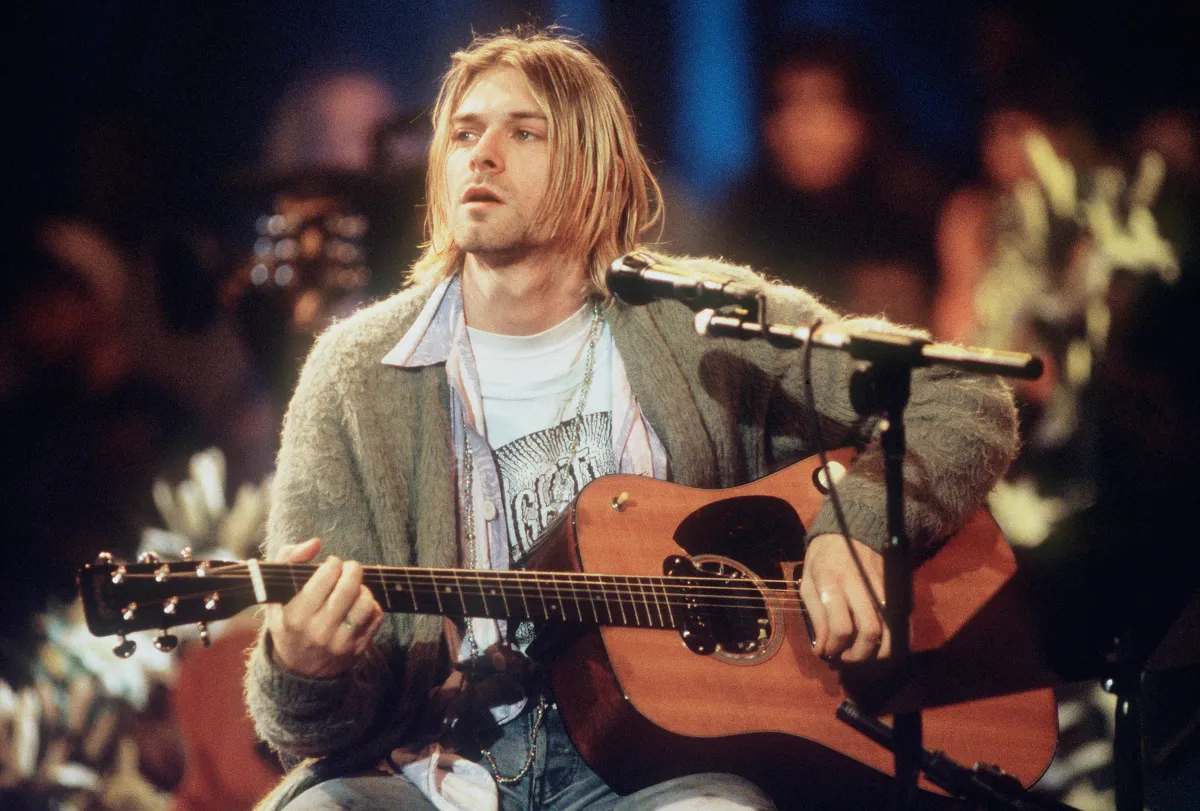
An independent research team has published a fresh critique of the 1994 ruling that Kurt Cobain died by suicide, arguing the evidence is more consistent with a staged homicide.
Cobain, the 27‑year‑old frontman of Nirvana, died on April 5, 1994, at his Seattle home, where he was found three days later with a shotgun wound to the head. According to the official autopsy and investigative files, the King County Medical Examiner ruled his death a suicide, citing both the fatal gunshot and a note indicating suicidal intent discovered at the scene. Toxicology tests also documented a high level of heroin in his system, but the examiner concluded the gunshot was the direct cause of death and formally certified the manner as suicide.
An independent group of researchers say a review of autopsy, toxicology, crime‑scene photos and police files points toward homicide. Their assertions—recently highlighted in a Daily Mail report—are not part of any official probe, and authorities say the case remains closed as a suicide.
“In the death examination for Kurt Cobain, the King County Medical Examiner’s Office worked with the local law enforcement agency, conducted a full autopsy, and followed all of its procedures in coming to the determination of the manner of death as a suicide,” a spokesperson from King County Public Health told Newsweek. “We’re not able to provide specific details about what informed our conclusion, as the autopsy records are private under state law and can only be released by the next of kin.”
“Our office is always open to revisiting its conclusions if new evidence comes to light, but we’ve seen nothing to date that would warrant re-opening of this case and our previous determination of death,” the statement added.
Newsweek reached out to the Seattle Police Department by email for comment.
The research team, led by forensic specialist Brian Burnett and independent researcher Michelle Wilkins, posed that evidence allegedly pointed toward Cobain’s death being a likely homicide.
Conspiracy theories have persisted for decades around Kurt Cobain’s 1994 death, with various independent investigators and commentators claiming the scene was staged or the note forged, even as Seattle police and the medical examiner continue to uphold the original suicide ruling.
Is the Kurt Cobain Case Being Reopened?
As of Tuesday, Cobain’s case has not been reopened, despite requests from the independent researchers.
In 2014, Seattle Police Department Cold Case Detective Mike Ciesynski reviewed the Cobain case in anticipation of media requests about the 20th anniversary of Cobain’s death, the Seattle Police Department Blotter said. In 2015, the Seattle Police Department released an additional 34 photos taken at the scene. The following year, police also released five additional photos of the firearm involved.
Why Independent Researchers Believe Cobain’s Death Was Staged
The independent researchers alleged that an assailant, or a team of assailants, could have incapacitated Cobain with a heroin overdose, then shot him and staged his body.
One point that made Cobain’s death look staged, according to Wilkins, was the receipt for bullets found in his pocket.
“To me, it looks like someone staged a movie and wanted you to be absolutely certain this was a suicide,” Wilkins said, according to the Daily Mail report. “The receipt for the gun is in his pocket. The receipt for the shells is in his pocket. The shells are lined up at his feet.”
The independent researchers’ report also noted that the placement of heroin supplies found near Cobain’s body was suspicious, such as needles allegedly being capped.
“‘We’re supposed to believe he capped the needles and put everything back in order after shooting up three times, because that’s what someone does while they’re dying,” Wilkins said.
Researchers also studied the autopsy report, which revealed Cobain had fluid in his lungs, bleeding in his eyes, and damage to his brain and liver, the Daily Mail reported. The new unofficial investigative report from the researchers alleges that this is more common for death from a heroin overdose than a gunshot wound.
The researchers’ report mentioned several other findings they thought were suspicious, such as the location of blood stains, the position of Cobain’s hand, and the handwriting on the note found near Cobain’s body.
Wilkins said the researchers approached investigators with their findings, but that requests to reopen Cobain’s case have been denied.
Update 2/10/2026, 6:04 p.m. Eastern time: This article was updated to include comment from King County Public Health.












Publicar comentário