Proud Denmark outspends Europe: dine here if you dare—only TRUE big‑spending travellers need apply!
Published on
February 21, 2026
Image generated with Ai
Denmark greets visitors with colourful harbours, bike‑friendly streets and some of Europe’s highest restaurant bills. Couples sitting down to a mid‑range three‑course dinner in Denmark now face one of the continent’s steeper checks, placing the country alongside Europe’s costliest dining destinations in 2026. Yet tourists keep coming, drawn by Copenhagen’s canals, New Nordic cuisine and a reputation for safe, sustainable city breaks. Many travellers say the country feels expensive but still worth it when they mix restaurant splurges with free experiences and careful planning.
Denmark’s tourism boom behind the prices
Tourism in Denmark has climbed strongly in recent years, with overnight stays hitting new highs and major cities leading the growth. International visitors now account for a large share of hotel nights, underlining the country’s global pull despite high daily costs. Tourism spending has risen steadily, supporting jobs, restaurants and attractions while keeping demand strong in already premium urban markets. This pattern helps explain why Denmark feels busy and vibrant, even as travellers pay more for everyday experiences like dining out.
Denmark’s overall price level sits well above the average across the European Union. Food prices rank among the highest in the bloc, reinforcing the country’s reputation for costly meals. When tourism, high wages and strong social protections combine, restaurant owners face elevated operating costs that flow into menu prices. For visitors, this means careful budgeting for food becomes as important as choosing a hotel or flight.
Eating out in Denmark: what travellers actually pay
Recent pricing guides show that casual restaurants in Copenhagen typically charge mid to high double‑digit euro amounts for main courses at dinner. Lunch plates in similar venues often cost only slightly less, already higher than many Southern European capitals. A standard dinner for two in an average Danish restaurant can approach around one hundred euros including drinks. In more sophisticated restaurants, that bill can easily climb far higher for two, particularly when wine is included.
Advertisement
Advertisement
At the top end, Copenhagen’s celebrated New Nordic restaurants push prices dramatically higher with multi‑course tasting menus. These experiences can run into several hundred euros per person before drinks, turning dinner into a major travel investment. Mid‑level fine‑dining spots offer smaller tasting menus for travellers seeking special occasion meals without going fully Michelin. Even pizza, pasta and casual Asian restaurants, often seen as cheaper options, reflect the broad national cost base in their pricing.
Official Denmark voices: costly, but value‑driven
Denmark’s national tourism bodies promote the country as a high‑quality, design‑driven destination where food and drink play a central role. Official guidance highlights a strong restaurant culture, from New Nordic menus to traditional smørrebrød and lively food markets. Government statistics emphasise that price levels, including food, sit well above the European average, while also pointing to high wages and strong consumer protections. When ministers and officials discuss rising food costs, they often stress that quality, salaries and sustainability all contribute to the final price on the plate.
Advertisement
Advertisement
For tourism planners, this combination of high prices and high satisfaction shapes destination strategy. Authorities and tourism bodies promote free cultural experiences, walkable city centres and extensive bike infrastructure to balance the perception of cost. They encourage dispersal beyond Copenhagen, pointing travellers towards coastal towns and islands where prices may feel less intense. This positioning aims to keep Denmark attractive to value‑conscious visitors even as restaurant bills climb.
Practical Denmark travel guide for 2026
Denmark’s elevated dining costs mean visitors benefit from clear planning, especially in Copenhagen. Travel advisers often suggest choosing accommodation with breakfast included, cutting one paid meal from the daily budget. Travellers on mid‑range budgets can expect relatively high daily spending when staying in standard hotels and eating out twice. This kind of budget usually covers a hotel, breakfast, casual lunch, mid‑range dinner, snacks, local transport and small extras.
To keep restaurant bills manageable, official tourism advice often highlights simple tactics. Food markets and street‑food halls offer prepared meals at lower prices than full‑service restaurants, while still showcasing Danish flavours. Street‑food areas and harbour markets combine local dishes with informal seating that appeals strongly to budget‑minded visitors. Many restaurants provide better‑value lunch menus, so travellers can make their main hot meal the midday one and choose lighter, cheaper options at night.
Free and low‑cost experiences help balance those higher food outlays. Visitors can explore canal‑side districts, royal squares, modern waterfronts and urban parks without paying entrance fees. Cycling along harbour paths or through residential neighbourhoods gives an authentic sense of Danish daily life at almost no cost. City transport passes and combined attraction cards reduce public transport and entry fees for travellers who plan a busy sightseeing schedule. These choices let visitors save their crowns for meals that feel genuinely special.
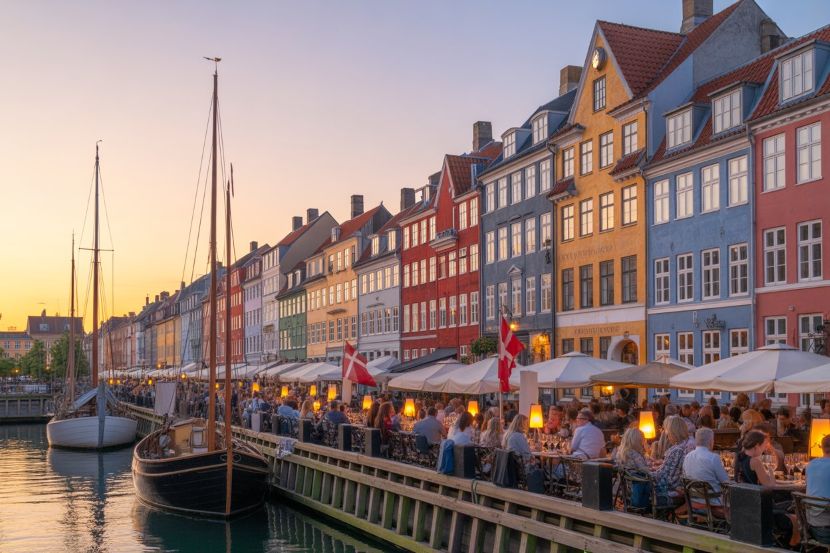
Back in Copenhagen’s cafes and bistros, many tourists say they adjust quickly to Denmark’s prices once they understand the value behind them. They often comment that the country feels expensive but fair when the food is fresh, the service friendly and the atmosphere unmistakably Danish. Couples watching the sunset over the harbour might remember that they paid more than at home, yet still describe the evening as one of their favourite travel memories. For many visitors in 2026, Denmark proves that an costly dining destination can still feel warm, human and deeply rewarding when trips are planned with care.















Publicar comentário