Health Struggles and Streaming Triumphs Define His 2025 Legacy – Azat TV
Quick Read
- Bruce Willis’s health has deteriorated in 2025 due to frontotemporal dementia, impacting his speech and mobility.
- His family—including Demi Moore, Emma Heming, and five daughters—continues to provide steadfast support.
- Willis’s films, especially Die Hard, remain streaming favorites, with the 1988 classic dominating Hulu’s Top 10 in December 2025.
- The 2018 remake of Death Wish, starring Willis, became a global Netflix hit seven years after its release.
- Willis’s story has raised public awareness about frontotemporal dementia and the importance of family support.
Bruce Willis’s Health: A Family United Amid Worsening Dementia
In 2025, Bruce Willis’s life story has taken a profound turn. The legendary action star, once known for his unbreakable on-screen persona, is now facing one of the toughest battles off the screen: frontotemporal dementia (FTD). According to recent family reports, Willis’s condition has deteriorated significantly, robbing him of much of his speech and mobility. For fans, it’s a sobering reminder that real-life heroes face challenges too. For his loved ones, it’s a daily test of resilience and compassion.
FTD is a rare neurodegenerative disease, targeting the frontal and temporal lobes of the brain. Unlike Alzheimer’s, it primarily affects personality, behavior, and language. Willis’s family—including ex-wife Demi Moore, current spouse Emma Heming, and his five daughters—has become his unwavering support system. Their efforts to create moments of comfort and normalcy, from listening to music to revisiting favorite film scenes, have helped anchor Willis through the storm of symptoms that now define his days. As MixVale reported, their care is a pillar of strength amid the progressive nature of his illness.
Cinematic Legacy: From Die Hard’s Enduring Magic to Streaming Success
Even as Willis’s personal health struggles have come to the fore, his impact on pop culture is as strong as ever. December 2025 saw a familiar debate resurface—Is Die Hard really a Christmas movie? This year, viewers have cast their votes not with words but with clicks: the 1988 classic, starring Willis as NYPD officer John McClane, soared into Hulu’s Top 10, cementing its status as a holiday staple. As Collider put it, the film “remains as magnificent as one could ever hope,” with Willis and Alan Rickman’s performances ranking among cinema’s most memorable hero-villain duos.
What keeps Die Hard fresh is its mix of relentless action, holiday spirit, and real vulnerability. Viewers still thrill to McClane’s improvisational bravery—his bare feet on broken glass, his iconic “Ho-ho-ho” quip—making it a perennial favorite for both old fans and newcomers. The film’s streaming success is a testament to Willis’s enduring charisma and the timeless appeal of an underdog fighting against the odds.
Remakes and Tributes: Revisiting Willis’s Action Roots
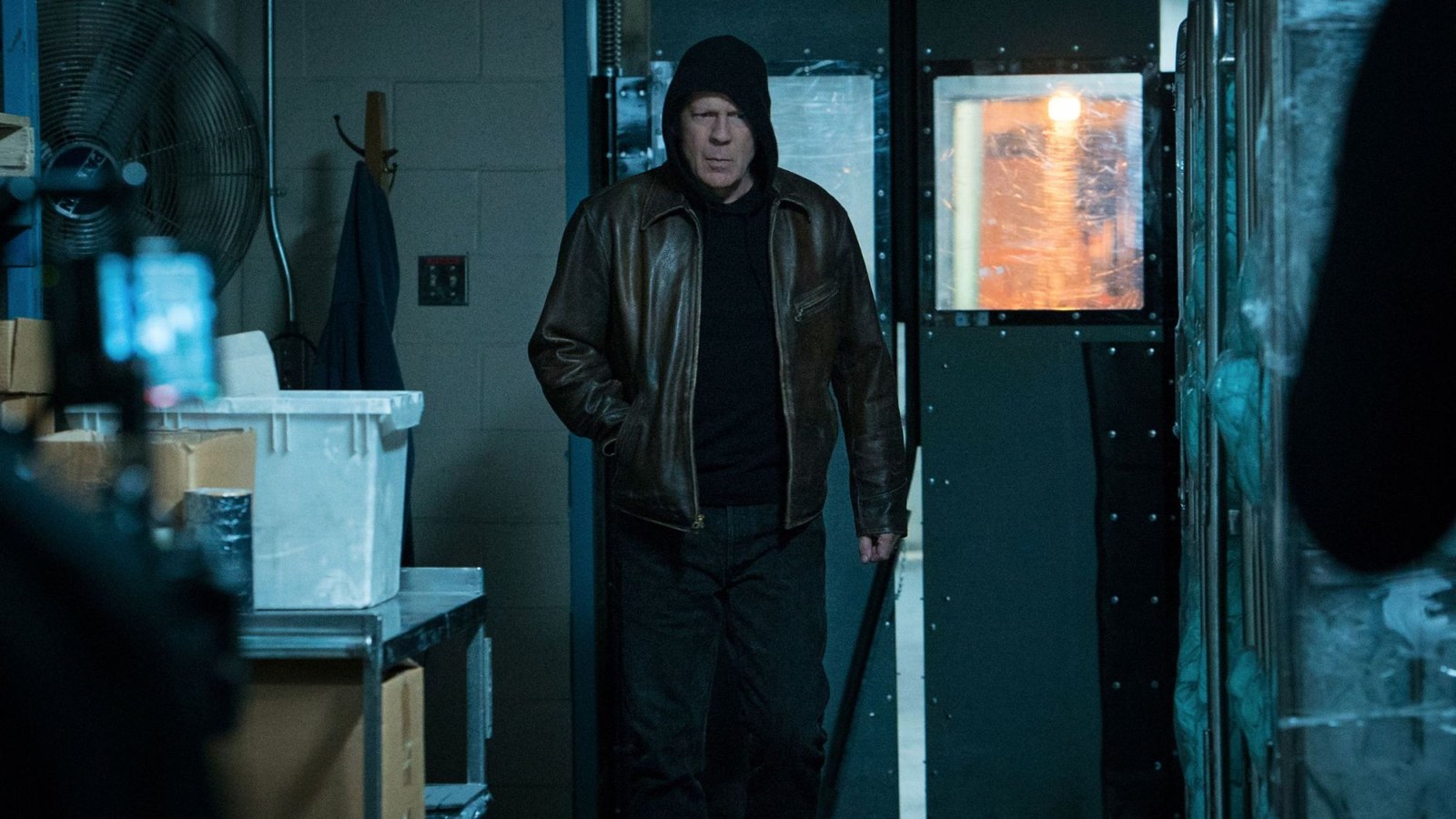
Willis’s influence hasn’t waned with time. In fact, it’s growing through both remakes and tributes. Eli Roth’s 2018 remake of Death Wish, one of Willis’s last lead roles before his retirement, has found a new audience on Netflix. Seven years after its theatrical release, the film ranked sixth globally on the platform for the week of December 8-14, 2025, outperforming several family favorites and holiday films (ComicBook.com).
Roth’s version fixes some of the problematic elements of the original 1974 film, casting Willis as a conflicted surgeon instead of a vengeance-driven architect. This shift adds layers of moral complexity and humanity to his character, reflecting the actor’s own versatility. The film’s streaming resurgence underscores how audiences continue to seek out Willis’s work, appreciating both his action chops and the emotional depth he brings to even the most explosive roles.
Willis’s legacy echoes in the latest generation of action stars as well. Glen Powell’s performance in Running Man, which channels the spirit of Willis’s McClane, is a direct tribute to the kind of improvisational, everyman hero Willis perfected. Director Edgar Wright and Powell themselves cite Die Hard as the blueprint for Powell’s complex stunt sequences, showing how Willis’s cinematic DNA continues to shape the genre (PEOPLE).
Raising Awareness: Willis’s Journey Sheds Light on Dementia
As Willis’s health story unfolds, it has sparked a wave of solidarity and awareness across social media and the entertainment industry. Messages of support from fans and Hollywood peers—including Sylvester Stallone and John Travolta—have not only comforted his family but also brought frontotemporal dementia into the public conversation. The visibility of Willis’s struggle has highlighted the need for early diagnosis, better treatments, and compassionate care for those affected by neurodegenerative diseases.
FTD affects an estimated 50,000 to 60,000 people in the United States alone, primarily those in middle age. The combination of FTD and aphasia, as Willis experiences, makes communication increasingly challenging. While there is no cure, therapies such as speech, physical, and occupational therapy can improve quality of life. Support networks for patients and families are essential, helping them navigate the emotional and practical burdens that come with the diagnosis.
Willis’s family, by sharing their journey, has become an example of grace under pressure. Their openness is helping to demystify the disease and encourage more public dialogue. It’s a reminder that behind every public figure is a private battle—and that these stories can drive change and compassion far beyond the spotlight.
The Enduring Impact: Willis’s Legacy in 2025 and Beyond
Bruce Willis’s career has spanned over 100 films, generating billions at the box office and creating unforgettable moments for audiences worldwide. His retirement in 2022 due to aphasia marked the end of an era, but his influence persists—in every streaming chart, every action movie homage, and every family finding strength in adversity.
In 2025, Willis is both a figure of nostalgia and a catalyst for new conversations about health, family, and legacy. His journey reminds us that heroes are not just defined by what they do on screen, but by how they—and those who love them—face life’s toughest challenges together.
Analysis: Bruce Willis’s story in 2025 is not just one of struggle—it’s a narrative of resilience, community, and lasting cultural relevance. His health battle has humanized a larger-than-life star, while his films continue to unite and inspire audiences. The public’s response demonstrates the profound emotional ties between artists and their fans, and the power of storytelling to illuminate both triumph and vulnerability. By confronting illness openly and embracing his cinematic legacy, Willis and his family have reshaped the conversation around dementia and proved that true heroism endures, even when the cameras stop rolling.













Publicar comentário