UVM develops new vaccine to prevent contagious tropical disease
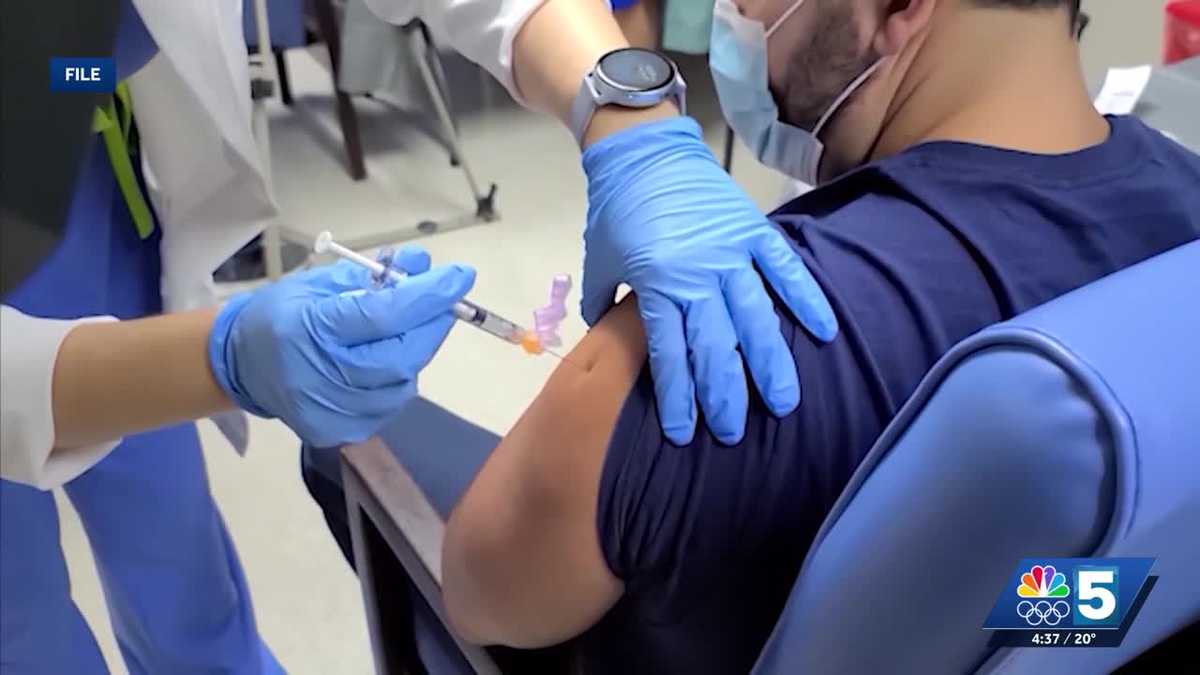
FIRED THE ADVISORY BOARD THAT WAS IN PLACE WHEN HE TOOK OFFICE. THE UNIVERSITY OF VERMONT RECENTLY ANNOUNCED A GROUNDBREAKIN G NEW VACCINE FOR DENGUE A HIGHLY CONTAGIOUS DISEASE THAT’S FOUND IN WARM CLIMATES LIKE BRAZIL and INDIA, AND IN THE U-S-A IN STATES LIKE FLORIDA AND TEXAS. THE DISEASE IMPACTS ABOUT 100 MILLION PEOPLE PER YEAR, AND CAN CAUSE INTENSE SYMPTOMS LIKE FEVER, NAUSEA, OR BLEEDING. OUR YAMUNA TURCO SPOKE WITH AT U-V-M, AND SHE JOINS US LIVE IN THE NEWSROOM NOW. YAMUNA, WHAT DOES THIS VACCINE MEAN FOR PEOPLE WHO MIGHT VISIT HIGH-RISK PLACES? WELL LAUREN LIKE YOU SAID DENGUE IS very CONTAGIOUS, AND FOR PEOPLE WHO LIVE OR GO ON VACATION TO A PLACE LIKE FLORIDA, THE NEW VACCINE áAND ANTI-VIRAL MEDICATION CAN HELP PREVENT YOU FROM CATCHING THE DISEASE.
University of Vermont develops new vaccine to prevent dengue, a highly contagious disease
Updated: 5:39 PM EST Dec 5, 2025
Editorial Standards
The University of Vermont, along with Johns Hopkins and the National Institutes of Health, has announced a newly-approved vaccine to prevent dengue, a disease that impacts more than 100 million people globally each year. Researchers have been working on the vaccine for decades.Dengue, like malaria, is mainly spread by mosquitoes and can cause fever, bleeding, or even death. The disease is mainly found in warm areas like Brazil, Kenya, Texas and Florida, and researchers said the vaccine will greatly reduce the risk of infection.”The first use of it will be in Brazil, and there are enormous dengue outbreaks in Brazil. So, we’re glad they have it being used,” said Dr. Beth Kirkpatrick, director of the UVM Vaccine Testing Center. The vaccine isn’t the only new defense against dengue; UVM and Johns Hopkins have also developed a new antiviral medication, which researchers said will reduce the number of people that are exposed to dengue while traveling.”The idea of this antiviral is that you would take it as a prophylaxis. You would take the medication knowing you are traveling, you might be at risk of getting dengue. So, you start it before you go, and you take it while you’re there,” said Dr. Kristen Pierce, an infectious disease physician.Researchers said much of their work relies on volunteers, and they said the development of the vaccine and antivirals would not have been possible without their help.”We use volunteers from the Burlington community to help us with this work, and so we would have never been able to get this far along if it really hadn’t been for their generosity,” Kirkpatrick said.
The University of Vermont, along with Johns Hopkins and the National Institutes of Health, has announced a newly-approved vaccine to prevent dengue, a disease that impacts more than 100 million people globally each year. Researchers have been working on the vaccine for decades.
Dengue, like malaria, is mainly spread by mosquitoes and can cause fever, bleeding, or even death. The disease is mainly found in warm areas like Brazil, Kenya, Texas and Florida, and researchers said the vaccine will greatly reduce the risk of infection.
“The first use of it will be in Brazil, and there are enormous dengue outbreaks in Brazil. So, we’re glad they have it being used,” said Dr. Beth Kirkpatrick, director of the UVM Vaccine Testing Center.
The vaccine isn’t the only new defense against dengue; UVM and Johns Hopkins have also developed a new antiviral medication, which researchers said will reduce the number of people that are exposed to dengue while traveling.
“The idea of this antiviral is that you would take it as a prophylaxis. You would take the medication knowing you are traveling, [where] you might be at risk of getting dengue. So, you start it before you go, and you take it while you’re there,” said Dr. Kristen Pierce, an infectious disease physician.
Researchers said much of their work relies on volunteers, and they said the development of the vaccine and antivirals would not have been possible without their help.
“We use volunteers from the Burlington community to help us with this work, and so we would have never been able to get this far along if it really hadn’t been for their generosity,” Kirkpatrick said.












Publicar comentário